American Country Outdoors · Cibolo, Texas
Bowhunting is earned one rep, one relationship, and one clean shot at a time.
Kirt Box is an Army veteran, sponsored archer, and the hunter behind American Country Outdoors.
Victory Archery · Moultrie Mobile · Black Flag Nootropics · Bow Crew Apparel
Newest from the range
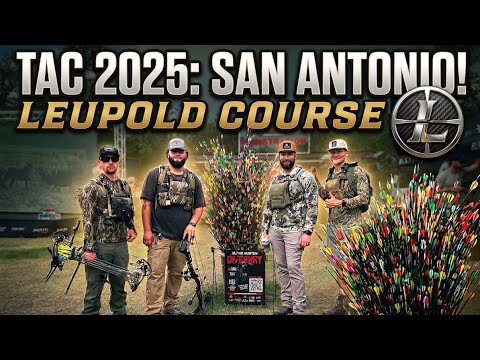
Fresh field footage from Total Archery Challenge—long shots, real adjustments, and the gear decisions behind them.


The hunter behind the channel
Real hunts. Real gear. Real relationships.
Kirt grew up in West Texas, served in Kuwait and Afghanistan, and now spends his time outside work chasing whitetail, axis, blackbuck, mule deer, elk, and javelina across the country. American Country Outdoors is where the shots, misses, lessons, and clean pack-outs get documented.
Read Kirt’s story →Brands Kirt shoots, carries, and trusts
Long-term partnerships built on real use, clear storytelling, and honest field feedback.




From the site
Hunt stories, field-tested gear, and practical archery lessons.
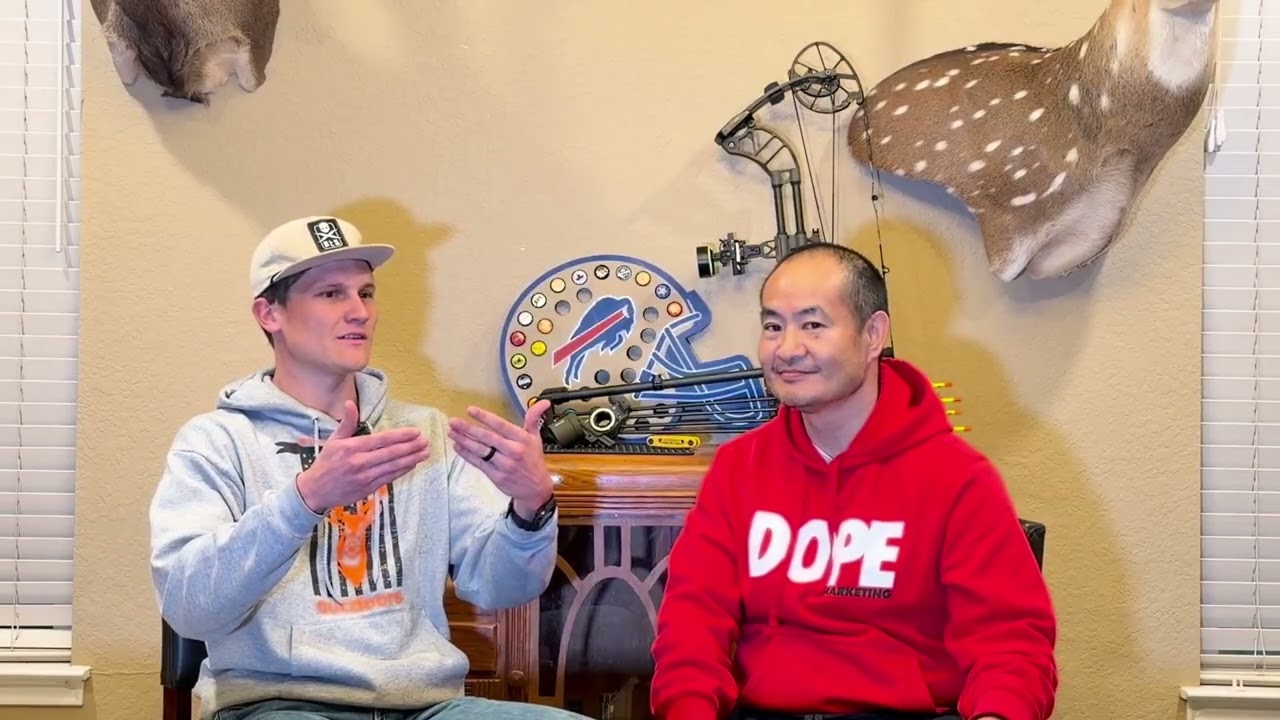
- How I Signed With Victory Archery by Building Real Relationships (Coach Yu Show)

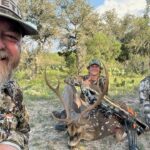
- Blackbuck Down – 72-Yard Archery Kill | Free-Range Exotic Hunt Finale
- Free‑Range Archery Exotic Hunt – Episode 2 | Axis & Blackbuck Pursuit
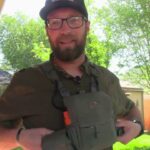
- Upgraded My Marsupial Bino Harness After Years – Honest Review & Unboxing
- Free‑Range Archery Exotic Hunt – Episode 1 | Texas Bowhunting Adventure
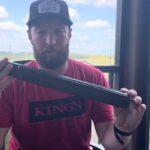
- Eagle Cap Outdoors Intimidator: 3-in-1 Elk Bugle Tube Review

Dig in by category
Latest social dispatches
Short updates from practice, the range, and the field.
Have a hunt, gear, or partnership idea?
Reach Kirt directly and start the conversation.